Why Your Parking Lot Cracks After Winter
Winter is hard on parking lots. Once the cold weather moves out, property managers often start seeing new cracks, potholes, low spots, and rough areas that were not as noticeable before.
In Rockville, MD, this is especially common because pavement goes through repeated freezing, thawing, moisture, traffic, and deicing exposure during the winter season. A parking lot may look fine in the fall, then show clear signs of stress by early spring.
The good news is that most winter-related pavement problems can be managed with timely asphalt repair maintenance. The key is knowing what caused the damage, how serious it is, and whether crack repair, resurfacing, or deeper work is the right next step.
Why does asphalt crack after winter?
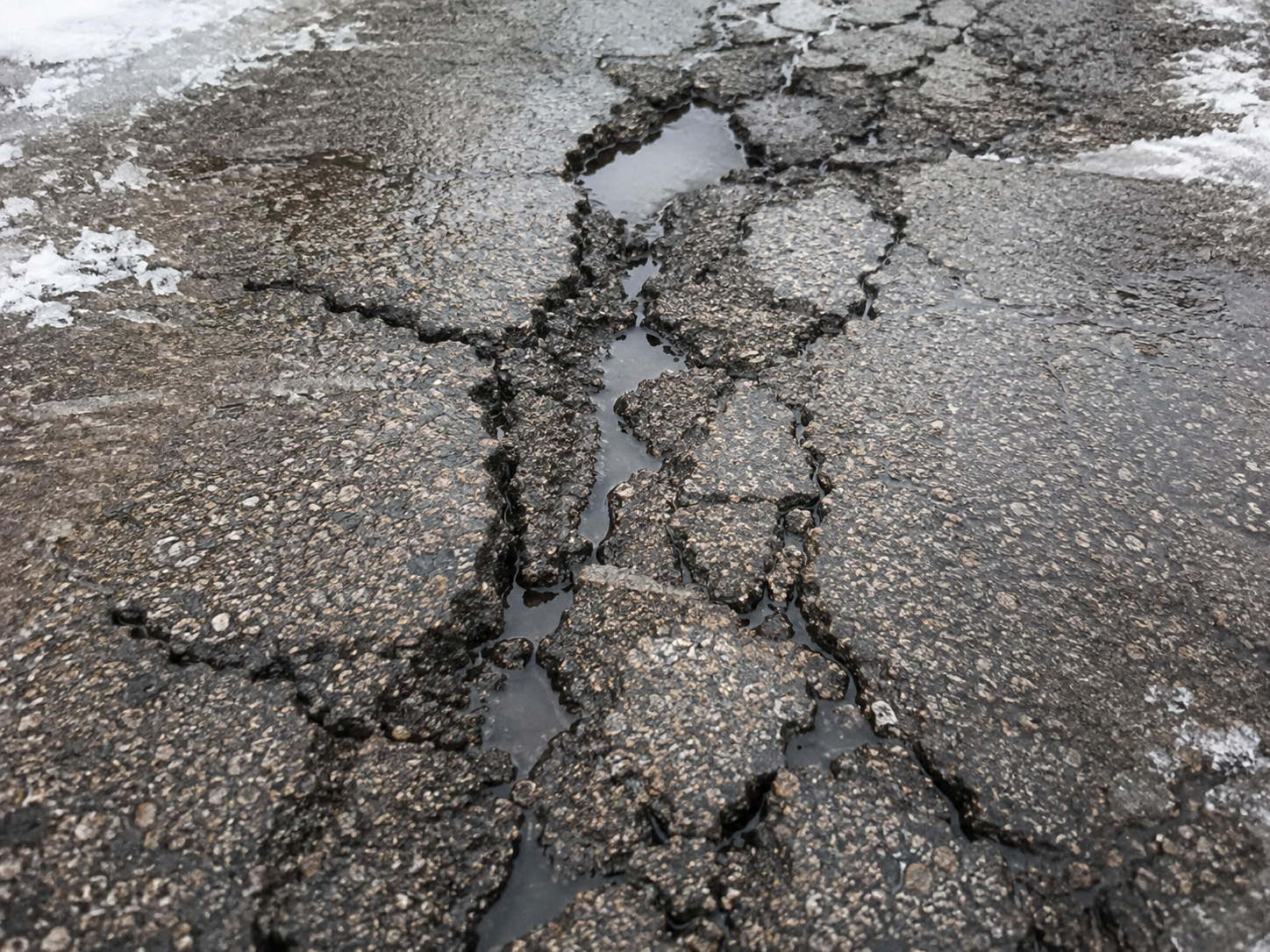
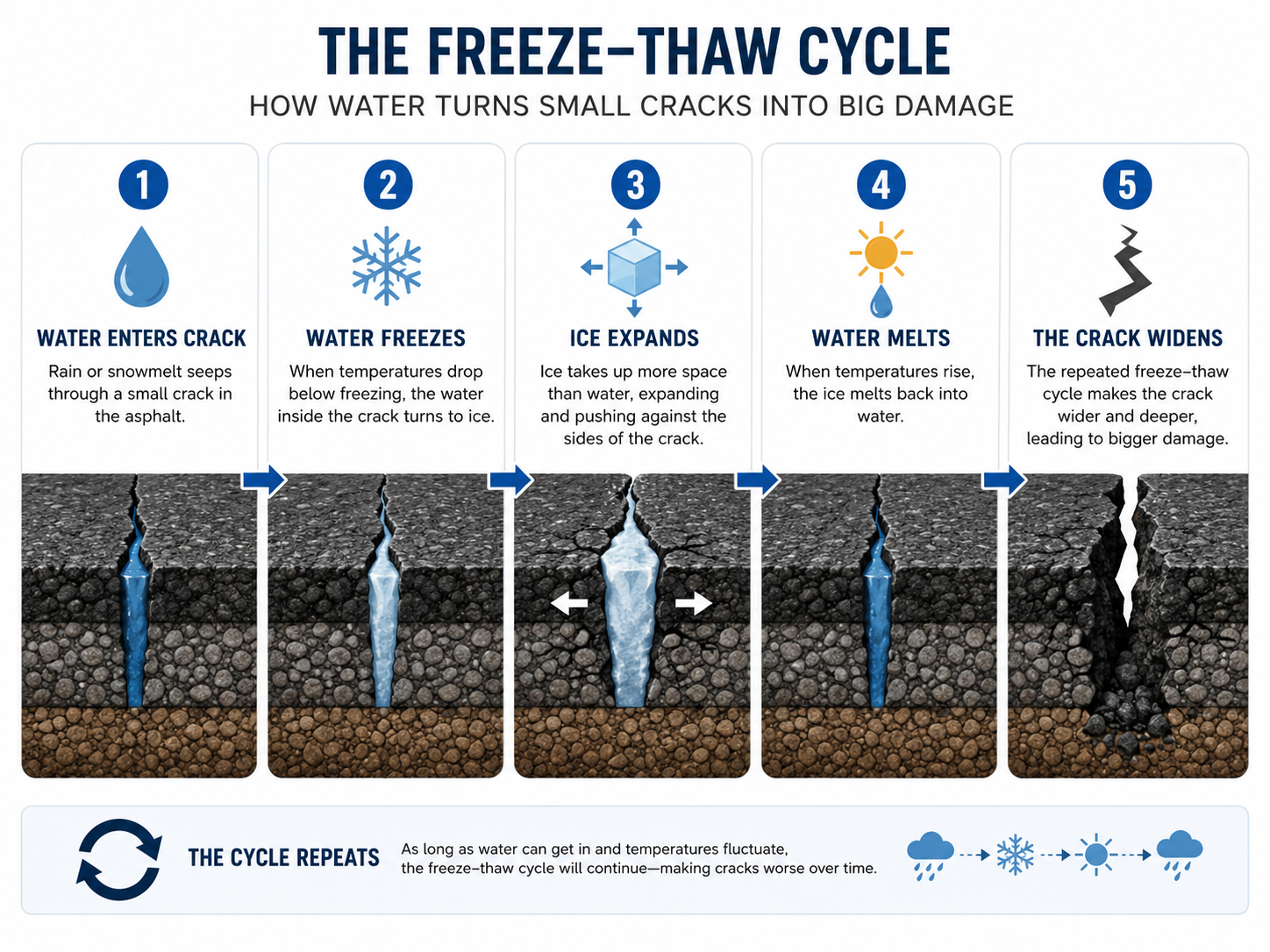
Asphalt cracks after winter because water gets into small openings, freezes, expands, and pushes the pavement apart. This process is called freeze thaw damage, and it is one of the most common causes of parking lot deterioration in colder climates.
Even a hairline crack can become a bigger problem when water reaches the base layer below the asphalt. Once that base weakens, the surface loses support. That is when cracks widen, edges crumble, and potholes begin forming.
Small cracks become larger when water gets in
Cracks usually start small. They may come from age, traffic stress, poor drainage, old patching, or surface wear.
During winter, those small openings allow water to seep below the surface. When temperatures drop, the water freezes and expands. When temperatures rise, it melts and moves deeper into the pavement.
That cycle repeats many times through the season. By spring, what looked like a minor crack may need professional crack repair before it spreads across the lot.
Heavy traffic makes winter damage worse
Property managers in Rockville often deal with steady vehicle traffic from tenants, customers, employees, service trucks, and delivery vehicles. That traffic adds pressure to pavement that may already be weakened by moisture.
Once the base layer softens, vehicle weight causes the asphalt to flex. Asphalt is built to handle traffic, but it needs strong support underneath. When that support is gone, cracks and surface failures appear faster.
This is why asphalt repair maintenance is not only about fixing what people can see. It is also about protecting the structure below the surface.
How can property managers spot early asphalt damage?
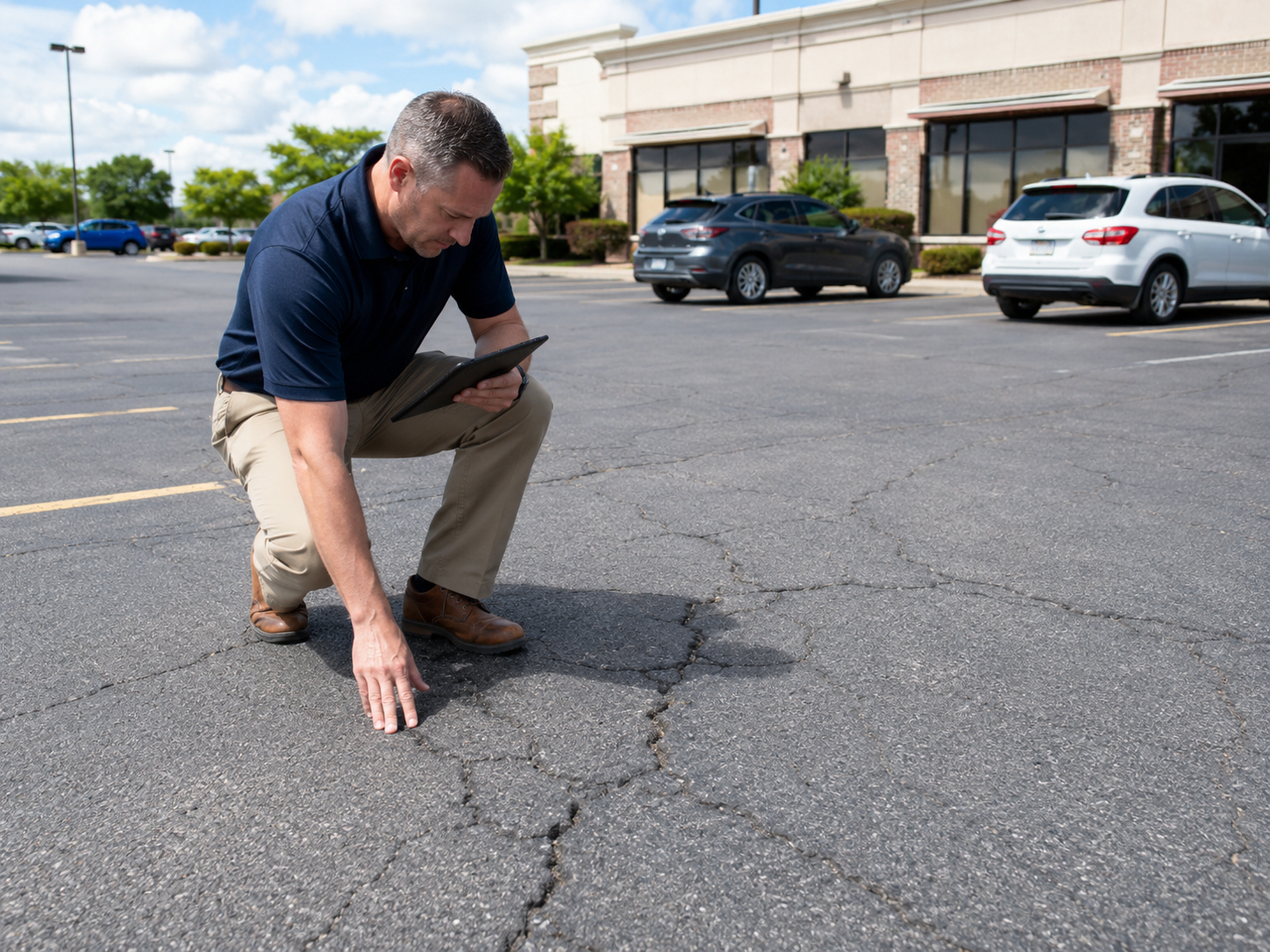
The best time to inspect a parking lot is shortly after winter, before spring and summer traffic adds more wear. Early signs are often easy to miss, but they can tell you where bigger repairs may be needed.
A simple walk-through can help you identify cracks, drainage problems, loose gravel, soft areas, and surface wear. For larger commercial properties, it is worth having a paving contractor review the lot and recommend the right repair plan.
Look for cracks that are widening or branching
Straight cracks, edge cracks, and branching cracks are all signs that the pavement is under stress. Some cracks may only need sealing or crack repair, while others may point to deeper structural problems.
If cracks are spreading in several directions, the pavement may be losing support beneath the surface. In that case, patching the top layer may not hold for long.
Property managers who need ongoing asphalt repair maintenance in Rockville should document these cracks with photos each season. This makes it easier to track whether the damage is stable or getting worse.
Watch for standing water after rain
Standing water is one of the clearest signs of a parking lot problem. It may mean the pavement has settled, the slope is no longer draining correctly, or the surface has low spots that need attention.
Water that sits on asphalt after winter can speed up cracking and pothole formation. It also creates safety issues for tenants, visitors, and pedestrians.
If drainage problems are tied to worn pavement, milling and resurfacing may be a better long-term option than repeated patching. Property managers can review
milling and resurfacing in Rockville when the surface has widespread wear but the base is still usable.
When is crack repair enough, and when is resurfacing needed?
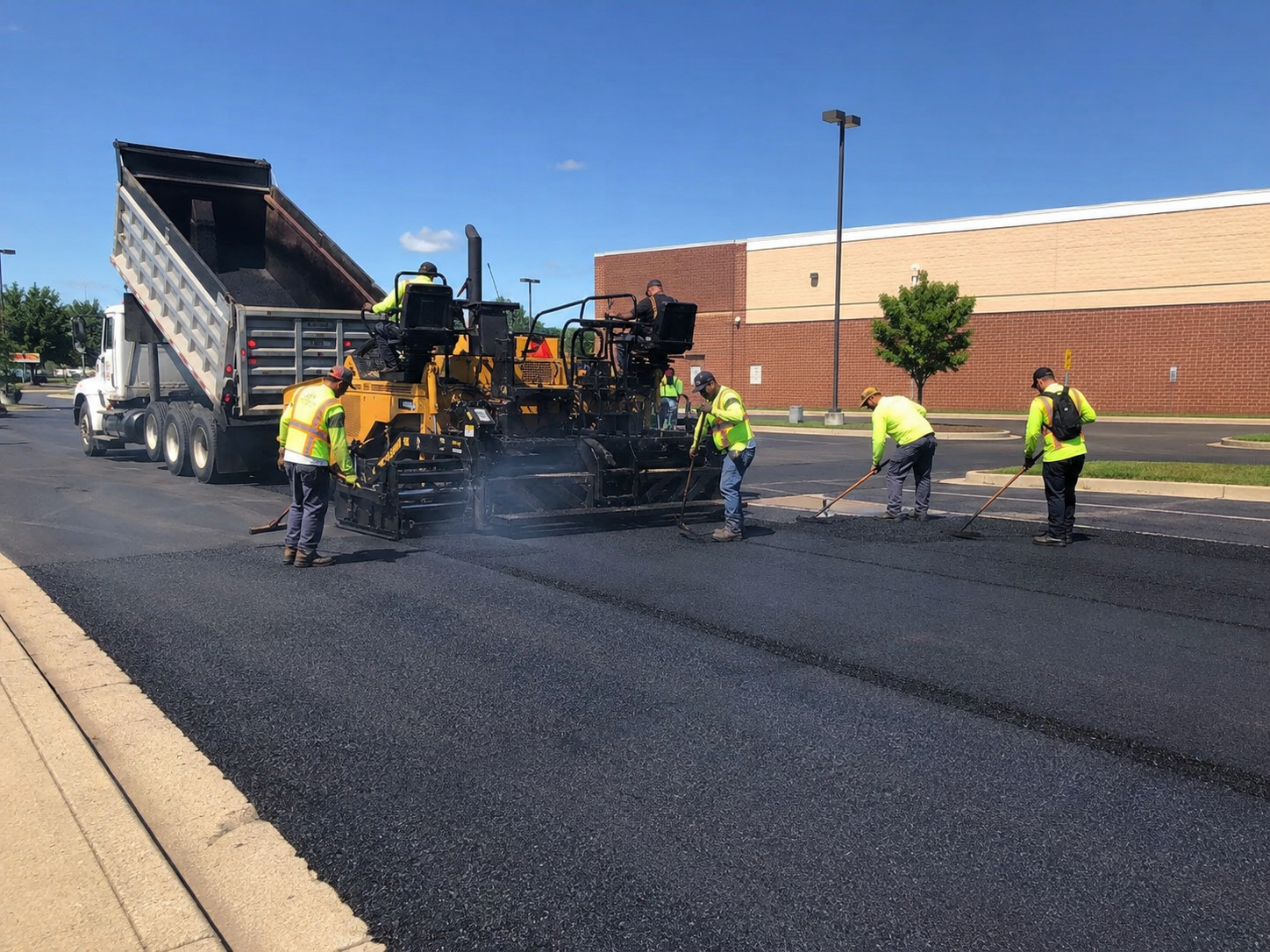
Crack repair is usually enough when the damage is limited, the pavement base is still strong, and the surface has not failed across large areas. Resurfacing is better when the top layer has widespread cracking, oxidation, raveling, or roughness.
The right choice depends on the condition of the lot, the age of the asphalt, drainage, traffic load, and budget. A quick repair may be cheaper today, but it may not be the best choice if the lot needs a stronger long-term fix.
Crack repair helps stop water from entering the pavement
Crack repair is a practical way to slow down pavement damage. It seals openings so water has a harder time reaching the base layer.
This is often the right step when cracks are still narrow and the surrounding pavement is stable. It can help extend the life of a parking lot and reduce the risk of potholes after the next winter.
If your lot also needs fresh markings after repairs, parking lot striping in Rockville can help restore traffic flow, parking space visibility, and a cleaner appearance for tenants and visitors.
Resurfacing restores the wearing surface
Resurfacing is used when the top layer of asphalt is too worn for small repairs to be effective. The damaged surface is prepared, then a new asphalt layer is installed over the existing pavement.
Before resurfacing, the pavement may need milling to remove the old surface at the proper depth. This helps the new layer bond correctly and keeps the finished grade from becoming too high around curbs, drains, and transitions.
For property managers, resurfacing can be a smart middle ground. It costs less than full reconstruction but gives the lot a stronger, cleaner driving surface when the base is still in good condition.
How can you reduce winter asphalt damage next year?
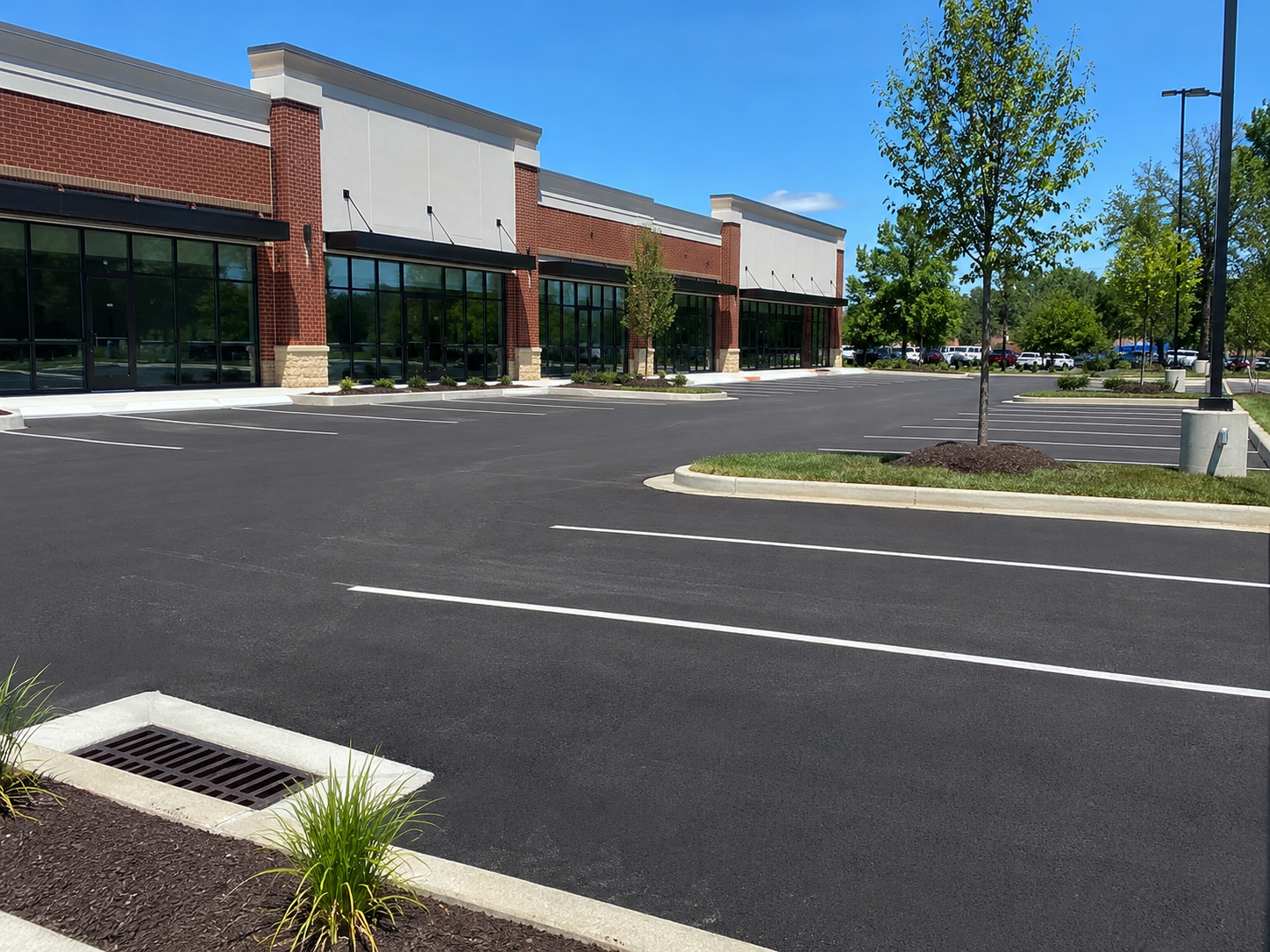
You cannot stop winter weather, but you can reduce how much damage it causes. Preventive asphalt repair maintenance keeps small problems from becoming expensive repairs.
The best approach is to inspect the lot regularly, fix cracks before winter, keep drainage clear, and refresh the surface when needed. Waiting until potholes form usually means higher repair costs and more disruption for tenants or customers.
Schedule repairs before cold weather returns
Fall is one of the best times to address cracks and surface damage. If cracks are sealed before winter, less water enters the pavement during freezing weather.
This does not make the parking lot immune to damage, but it reduces exposure. For busy commercial properties, this can help avoid emergency repairs during the coldest months.
Seal coatings rejuvenator in Rockville may also help protect aging asphalt surfaces by improving appearance and slowing wear when the pavement is still in serviceable condition.
Keep curbs, drains, and concrete areas in good condition
Asphalt problems are often connected to nearby drainage and concrete issues. Broken curbs, damaged concrete, and blocked drains can send water onto the asphalt where it sits and seeps into cracks.
Commercial concrete services in Rockville may be needed when concrete aprons, sidewalks, curbs, or drainage-related areas are contributing to pavement problems. Fixing these areas can help protect the asphalt and reduce repeated repair cycles.
Property managers should look at the whole site, not just the blacktop. A parking lot performs better when asphalt, concrete, drainage, signage, and markings all work together.
Why winter parking lot damage matters in Rockville, MD
Rockville, MD properties deal with cold snaps, rain, snow, ice, deicing materials, and steady traffic from commercial and residential activity. These conditions make freeze thaw damage a real concern for property managers who need safe, reliable parking areas. Timely asphalt repair maintenance helps protect the lot, reduce liability concerns, improve curb appeal, and keep tenants, visitors, and customers moving without dealing with avoidable pavement hazards.
Get a Free Parking Lot Estimate
Aurora Paving and Concrete helps property managers identify the right repair plan for winter-related parking lot damage. Call 410-484-5787 to request a free estimate for asphalt repair maintenance, crack repair, resurfacing, or related pavement work in Rockville, MD.
Frequently Asked Questions
Why does my parking lot crack more after winter?
Your parking lot cracks more after winter because water enters small openings, freezes, expands, and weakens the pavement. This freeze thaw damage can turn minor cracks into larger surface problems. Traffic then adds pressure to the weakened areas, making the cracks spread faster.
Can asphalt cracks be repaired without resurfacing?
Yes, asphalt cracks can often be repaired without resurfacing if the damage is limited and the pavement base is still strong. Crack repair helps block water from entering the asphalt and slowing future damage. If the surface has widespread cracking or roughness, resurfacing may be the better option.
How often should a commercial parking lot be inspected?
A commercial parking lot should be inspected at least twice a year, usually after winter and before colder weather returns. Property managers should also check the lot after heavy storms or major freeze thaw cycles. Regular inspections make it easier to catch problems before they become costly repairs.
What is the difference between asphalt repair and resurfacing?
Asphalt repair usually targets specific damaged areas, such as cracks, potholes, or broken pavement sections. Resurfacing covers a larger area by placing a new asphalt layer over the prepared surface. Repair is best for localized damage, while resurfacing is better for widespread surface wear.
When should property managers schedule asphalt repair maintenance?
Property managers should schedule asphalt repair maintenance as soon as cracks, potholes, standing water, or rough surface areas appear. Spring is a good time to address winter damage, while fall is useful for preparing the lot before freezing temperatures return. Waiting too long usually allows water and traffic to make the damage worse.
Winter cracks are not just a cosmetic issue. They are a warning sign that water, traffic, and freeze thaw damage are wearing down the pavement. For property managers in Rockville, MD, scheduling a free estimate with Aurora Paving and Concrete is a practical way to find out whether crack repair, resurfacing, or another asphalt repair maintenance solution is the right fit.